


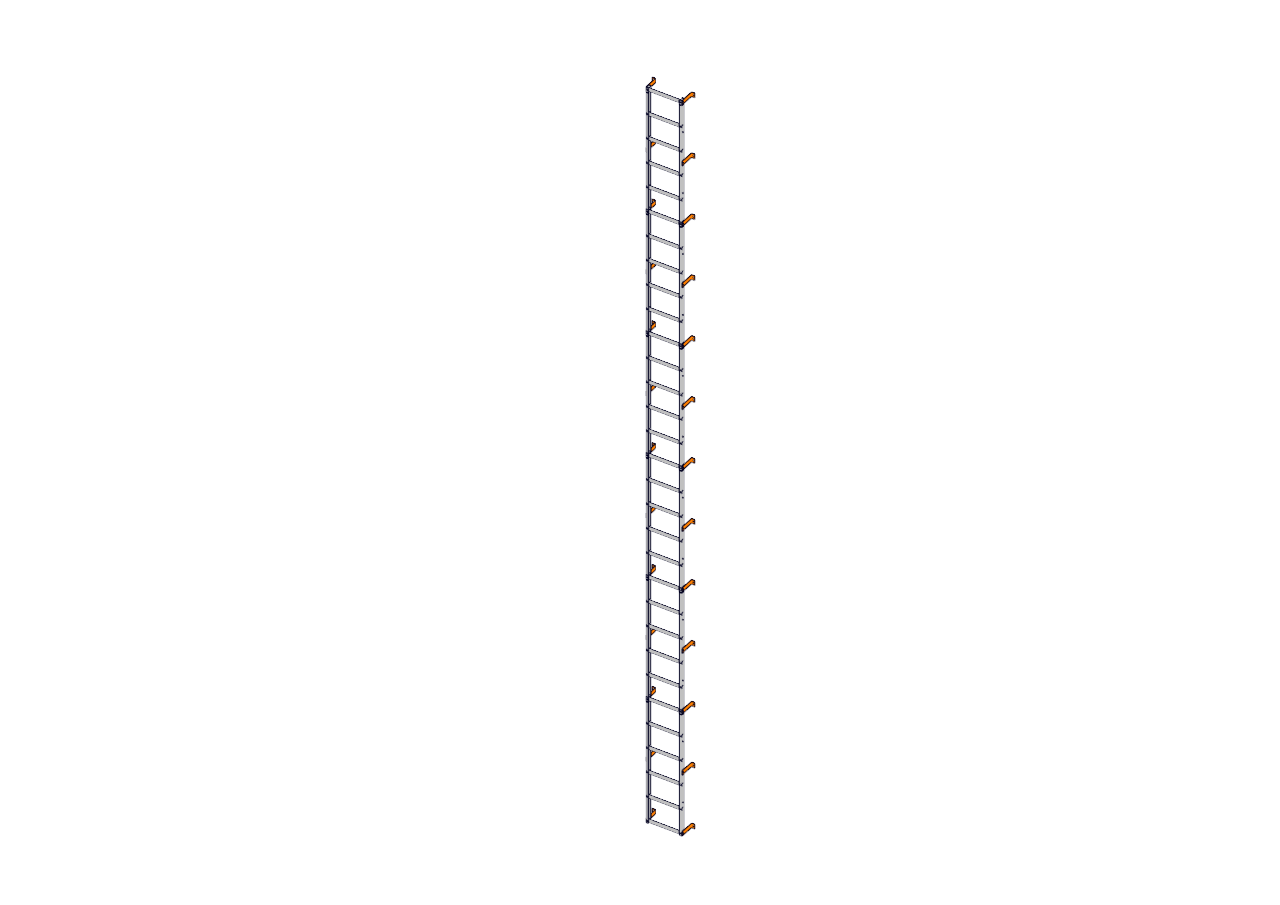
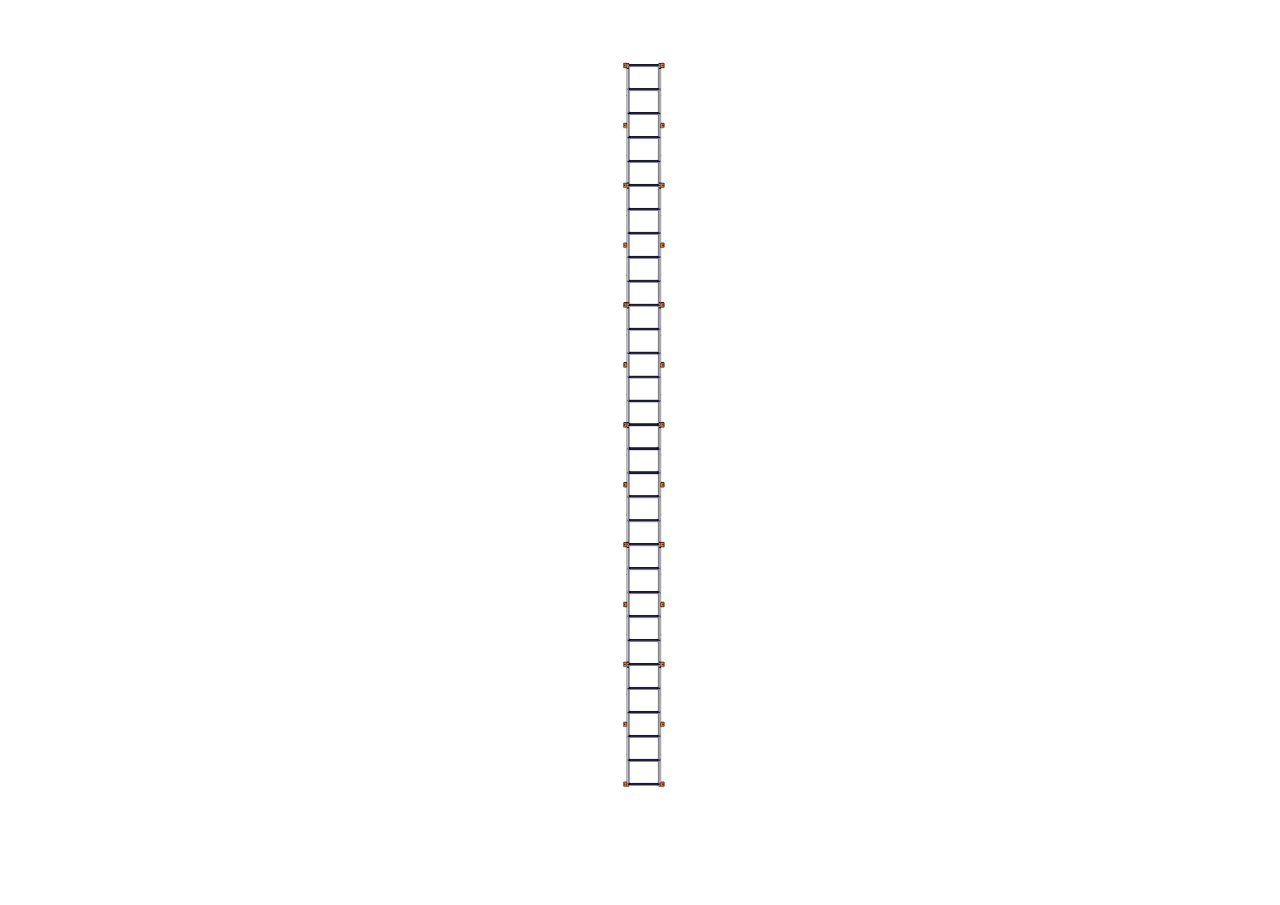


Internal Staircase
In grain processing and silo systems, internal stairs play a critical role in terms of access, maintenance and safety. The use and design of internal stairs in these systems are of great importance in terms of operational efficiency and compliance with safety standards.
In grain processing and silo systems, internal stairs are a vital component to creating a safe and efficient working environment. Ladders made of durable materials, structurally sound and compliant with safety standards ensure the safety of employees and continuity of operations. These systems, supported by regular maintenance and inspections, allow grain processing processes to continue smoothly.
The Importance of Interior Stairs
Internal ladders provide workers with safe access to the interior of silos and processing equipment. This is especially vital for tall structures or deep silos. The ability of employees to move up and down easily and safely is necessary for operations to continue uninterrupted. Additionally, it provides fast and safe evacuation in emergency situations, which is critical for occupational health and safety.Material
Durable and long-lasting materials should be used in the construction of interior stairs. Stainless steel or galvanized steel are among the materials suitable for indoor conditions. These materials are resistant to indoor conditions such as high humidity and dust and provide a safe structure for long-term use.Structural Strength
Interior staircases must be designed to withstand grain load and employee traffic. The solid structure of the stairs ensures safe use in the long term. Additionally, interior stairs should be placed in accordance with the internal structure of the building. This preserves structural integrity and ensures efficient use of space.Security Features
Internal staircases must be designed in accordance with high safety standards. Guardrails are critical to ensuring employee safety. Railings should be located on both sides of the stairs and be of sufficient height. Non-slip steps minimize the risks of falling and slipping. Additionally, having lighting and markings for emergencies facilitates safe evacuation.Maintenance and Inspection
Regular maintenance and inspection of interior staircases is essential for long-term safety and functionality. Periodic inspection of stairs allows early detection of possible structural weaknesses or damage. In this way, necessary repairs can be made in a timely manner and major accidents can be prevented.In grain processing and silo systems, internal stairs are a vital component to creating a safe and efficient working environment. Ladders made of durable materials, structurally sound and compliant with safety standards ensure the safety of employees and continuity of operations. These systems, supported by regular maintenance and inspections, allow grain processing processes to continue smoothly.