


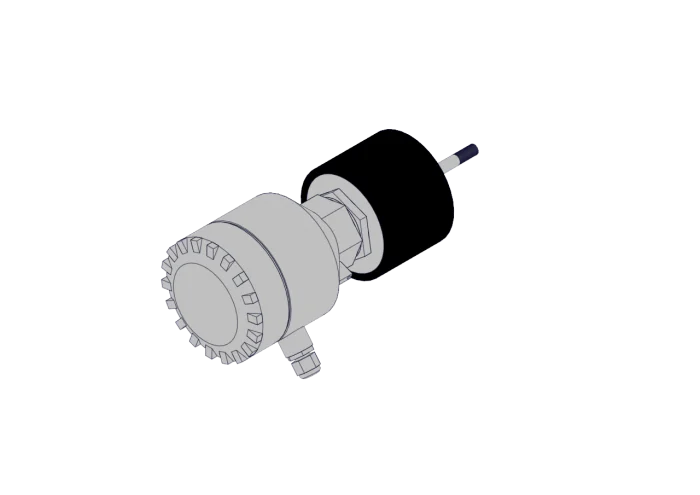
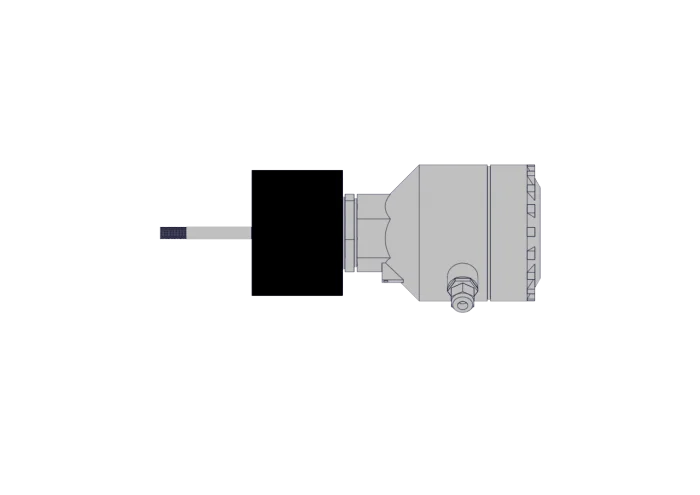
Mechanical Level Sensor
Reliability and precision are important in the grain processing industry, product storage and transportation processes. Therefore, mechanical level sensors used in grain storage facilities are vital to accurately monitor the level of grain. These sensors rely on different mechanisms to measure the grain level within the silo or warehouse.
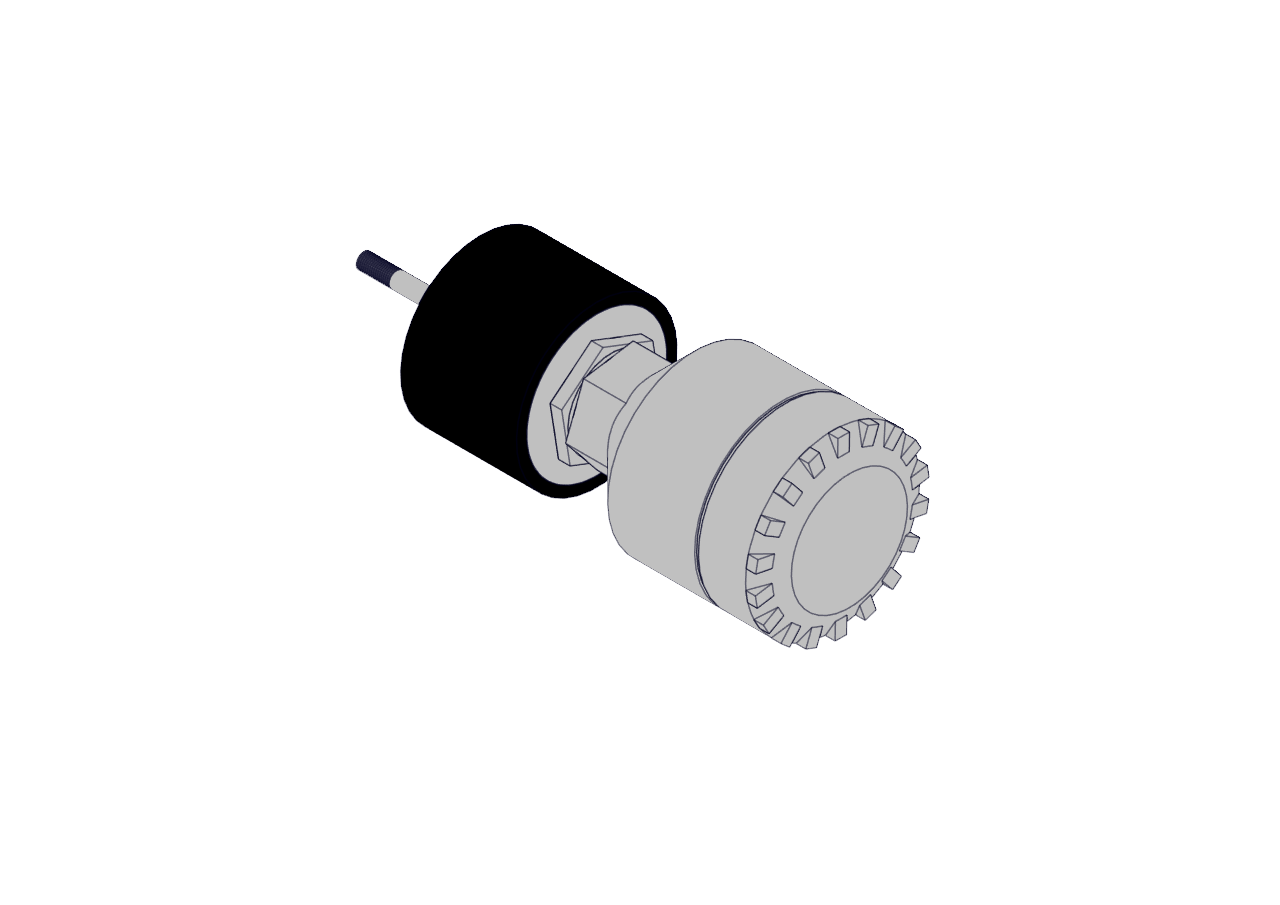
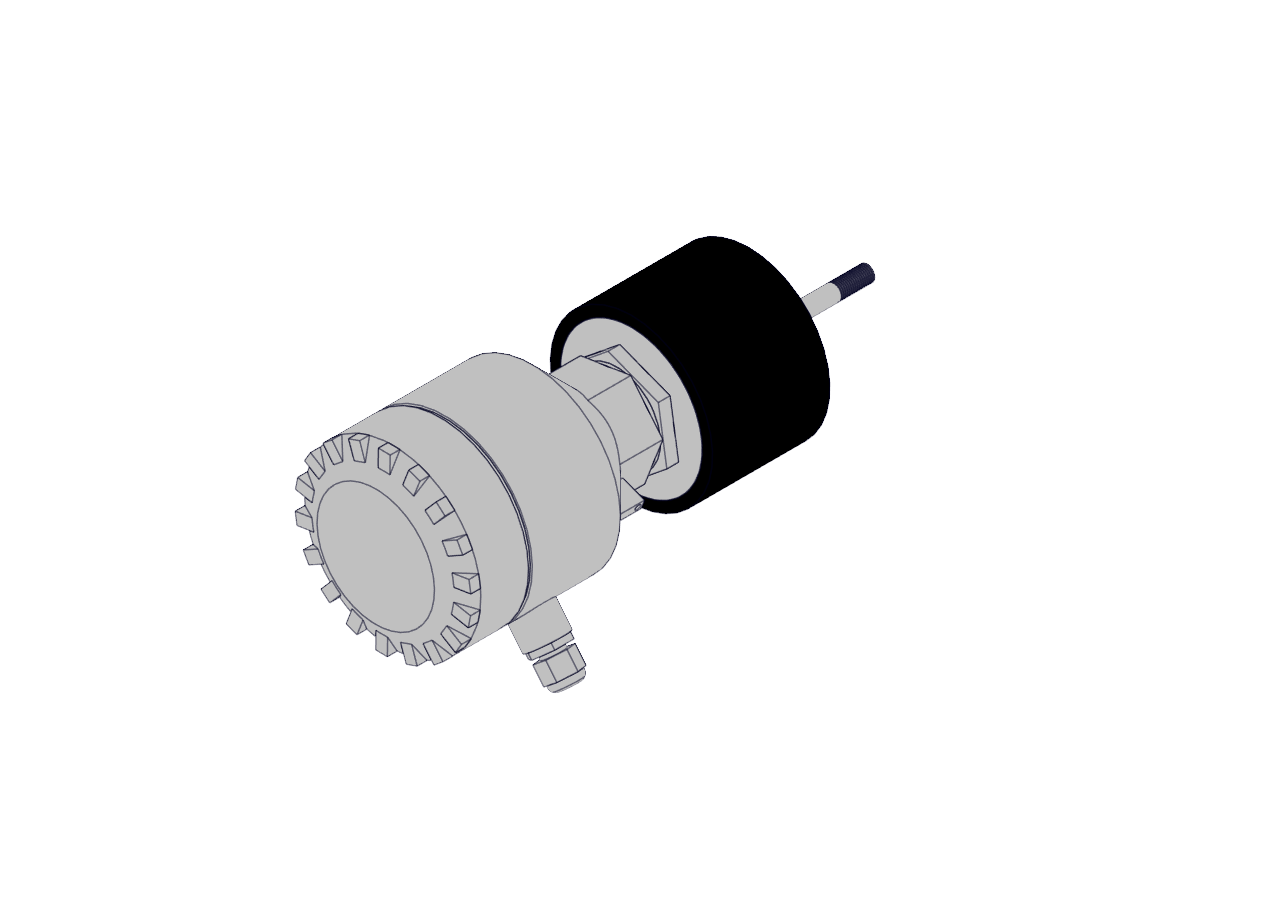
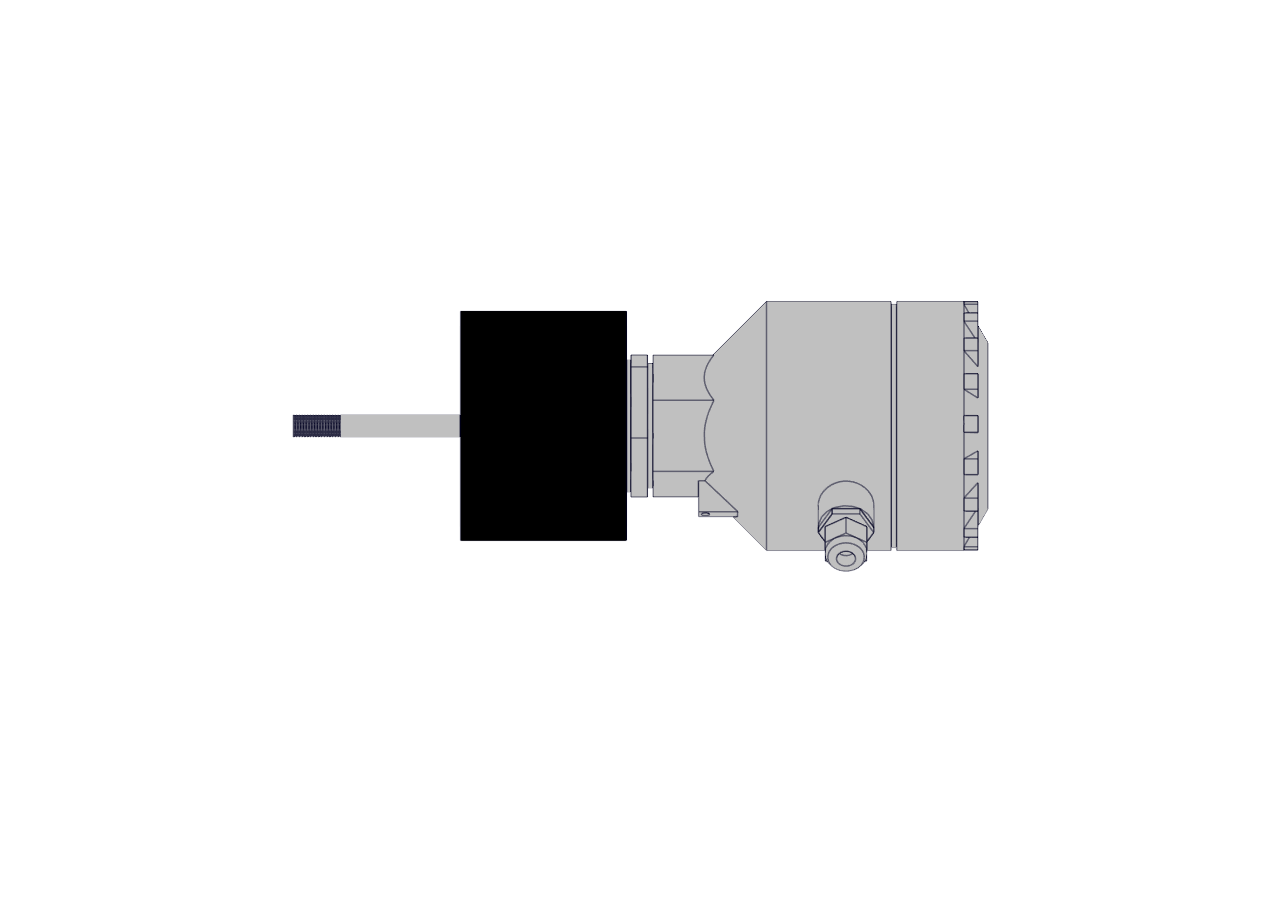
A simple mechanical level sensor design is usually based on a float or buoy principle. This type of sensors detects the level using a float or buoy that moves when the grain level rises or falls. This movement produces an electrical signal through a switch mechanism, which is used to monitor level changes.
Mechanical level sensors are generally made of durable materials. Because they have to come into contact with hard and abrasive materials such as grain, these sensors are usually made of durable materials such as stainless steel or plastic. This ensures long-term durability of the sensors and does not affect the quality of the grain during processing.
Mechanical level sensors used in grain processing plants are often integrated into automatic control systems. In this way, the system can operate automatically when the grain level drops below or exceeds a certain level. This increases the efficiency of grain processing processes and reduces human intervention.
Mechanical level sensors are preferred in the grain processing industry for their reliability as well as easy maintenance and installation advantages. Thanks to their simple design, maintenance and repair are often quick and easy. Additionally, they can be easily installed using standard mounting equipment.
A simple mechanical level sensor design is usually based on a float or buoy principle. This type of sensors detects the level using a float or buoy that moves when the grain level rises or falls. This movement produces an electrical signal through a switch mechanism, which is used to monitor level changes.
Mechanical level sensors are generally made of durable materials. Because they have to come into contact with hard and abrasive materials such as grain, these sensors are usually made of durable materials such as stainless steel or plastic. This ensures long-term durability of the sensors and does not affect the quality of the grain during processing.
Mechanical level sensors used in grain processing plants are often integrated into automatic control systems. In this way, the system can operate automatically when the grain level drops below or exceeds a certain level. This increases the efficiency of grain processing processes and reduces human intervention.
Mechanical level sensors are preferred in the grain processing industry for their reliability as well as easy maintenance and installation advantages. Thanks to their simple design, maintenance and repair are often quick and easy. Additionally, they can be easily installed using standard mounting equipment.