


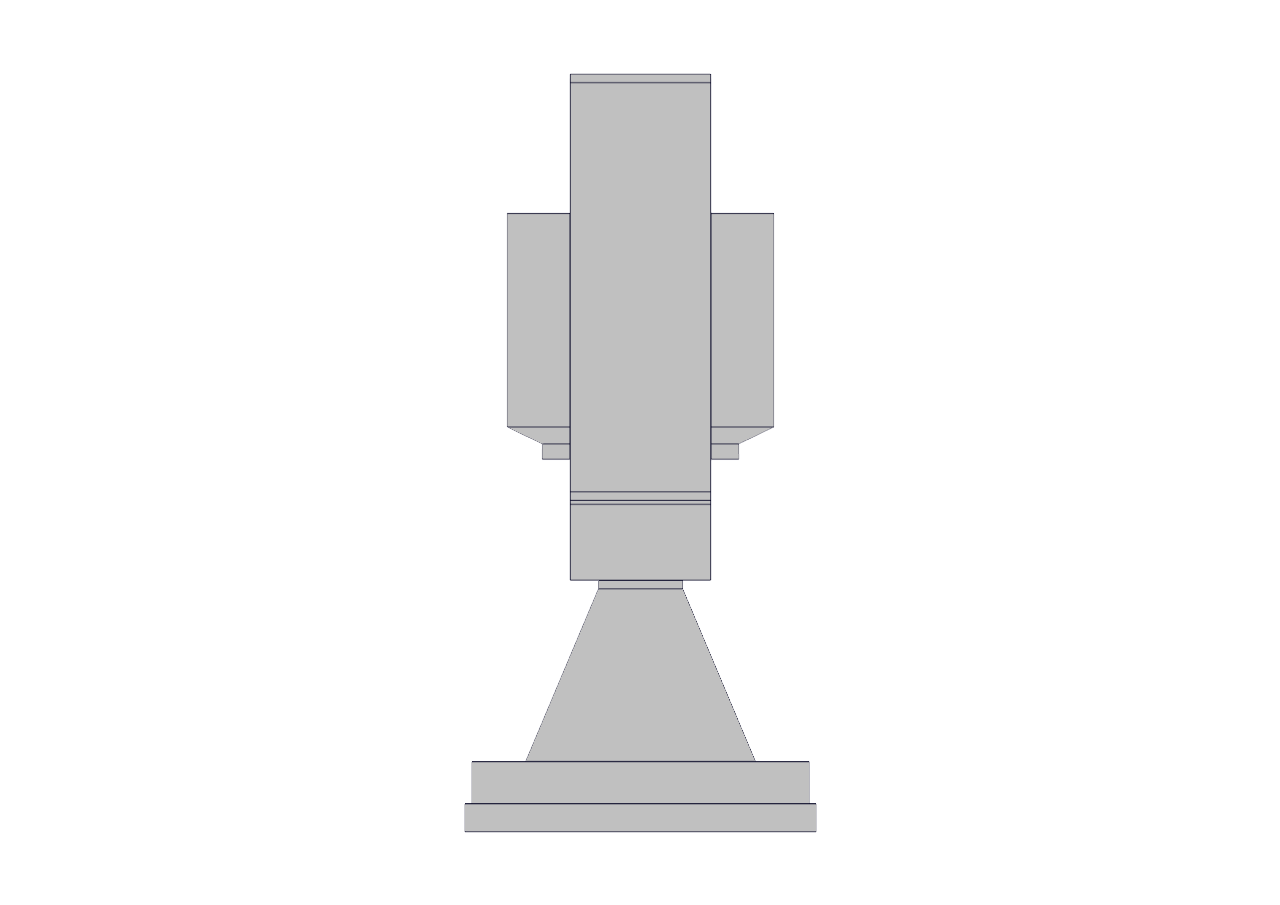
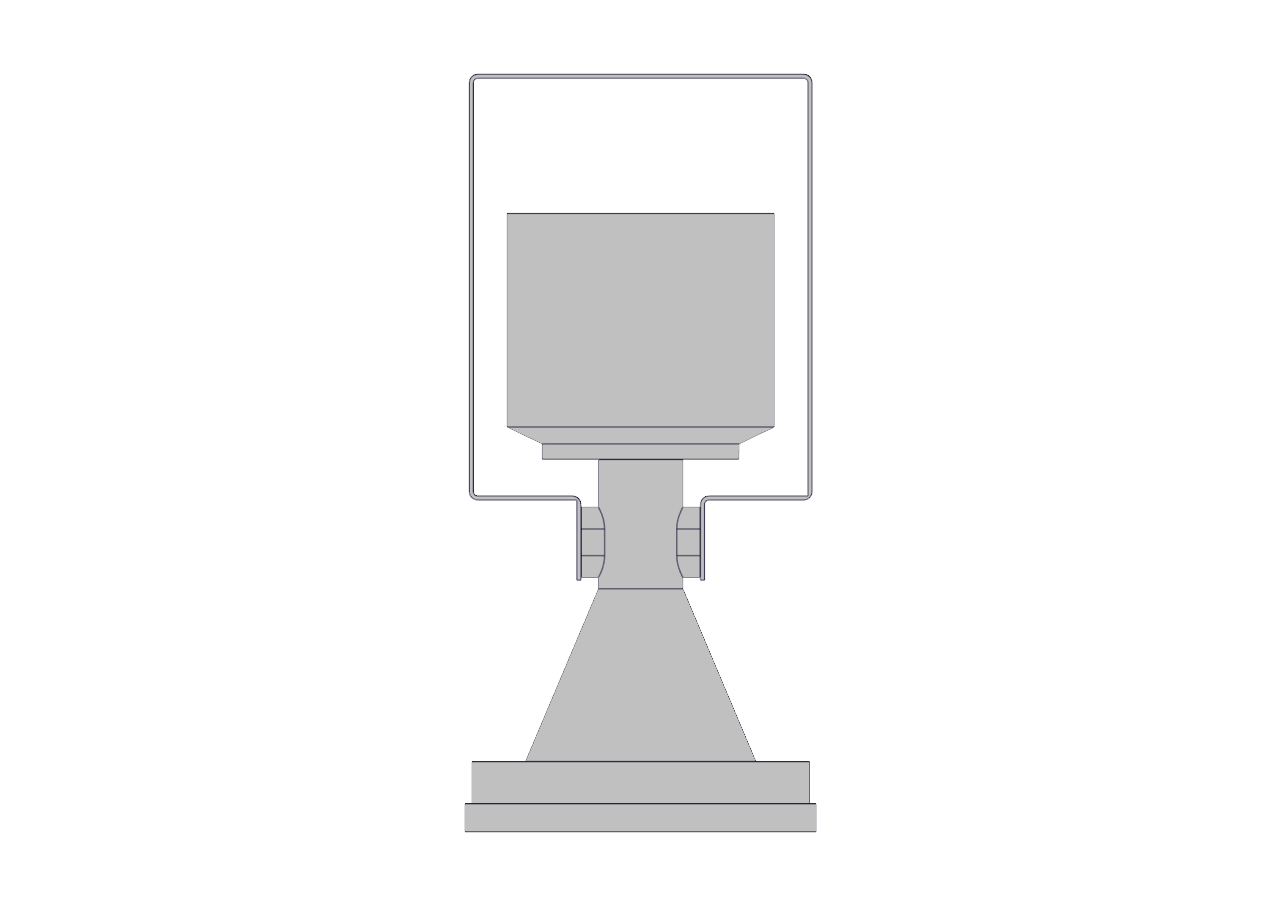
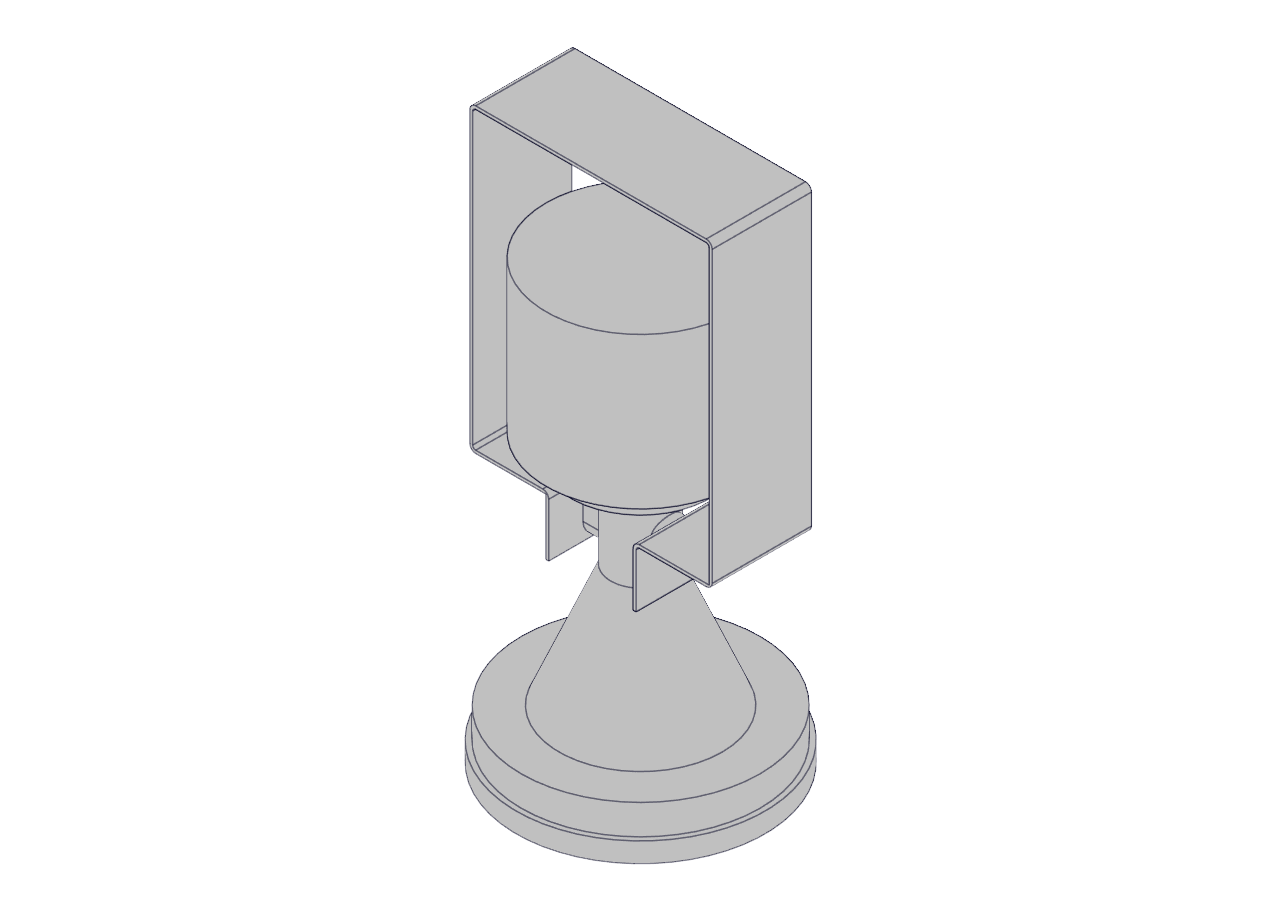
Radar Level Sensor
The grain storage and processing industry requires precise level control and management. Therefore, advanced technologies such as radar level sensors are widely used to accurately monitor and control the level of grain. Radar sensors meet these requirements by offering high sensitivity and reliability.
Radar level sensors measure grain level using the reflection of electromagnetic waves. These sensors are usually mounted on top of the silo or warehouse and send electromagnetic waves downwards, hitting the grain surface. The waves reflect off the grain surface and return to the sensor. By analyzing the time and intensity of these reflections, the sensor accurately determines the grain level.
Radar level sensors can work effectively with granular materials such as grain. These sensors are equipped with advanced algorithms that can adapt to grain surface shapes, dust or wheat flows. In this way, the accuracy and reliability of the sensors increases and an uninterrupted level measurement is provided at any point in the grain.
Radar level sensors are generally long-lasting and durable. These sensors are designed to operate reliably in environments with hard, abrasive materials such as grain. Radar sensors made of materials such as stainless steel or sturdy plastic are ideal for long-term use.
Radar level sensors used in grain processing plants are often integrated with digital control systems. In this way, they can automatically alarm when the grain level reaches a certain point or control other processes in the system. This increases the automation of the plant and reduces operating costs.
Radar level sensors measure grain level using the reflection of electromagnetic waves. These sensors are usually mounted on top of the silo or warehouse and send electromagnetic waves downwards, hitting the grain surface. The waves reflect off the grain surface and return to the sensor. By analyzing the time and intensity of these reflections, the sensor accurately determines the grain level.
Radar level sensors can work effectively with granular materials such as grain. These sensors are equipped with advanced algorithms that can adapt to grain surface shapes, dust or wheat flows. In this way, the accuracy and reliability of the sensors increases and an uninterrupted level measurement is provided at any point in the grain.
Radar level sensors are generally long-lasting and durable. These sensors are designed to operate reliably in environments with hard, abrasive materials such as grain. Radar sensors made of materials such as stainless steel or sturdy plastic are ideal for long-term use.
Radar level sensors used in grain processing plants are often integrated with digital control systems. In this way, they can automatically alarm when the grain level reaches a certain point or control other processes in the system. This increases the automation of the plant and reduces operating costs.