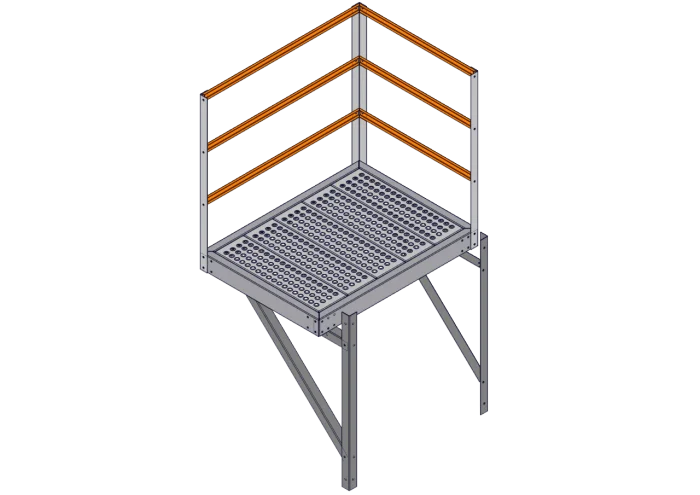
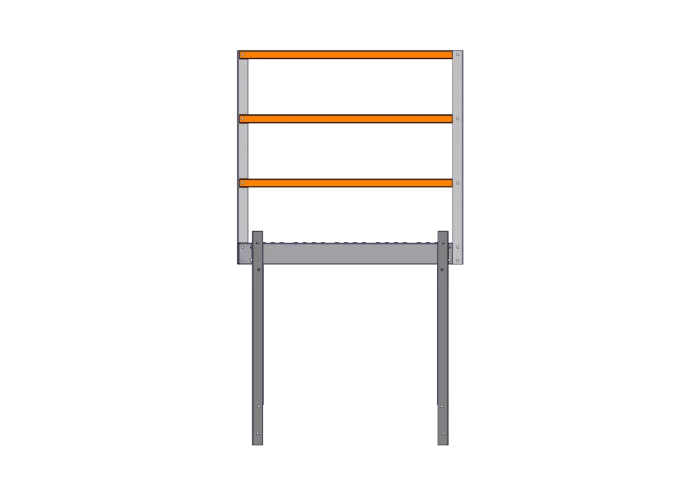
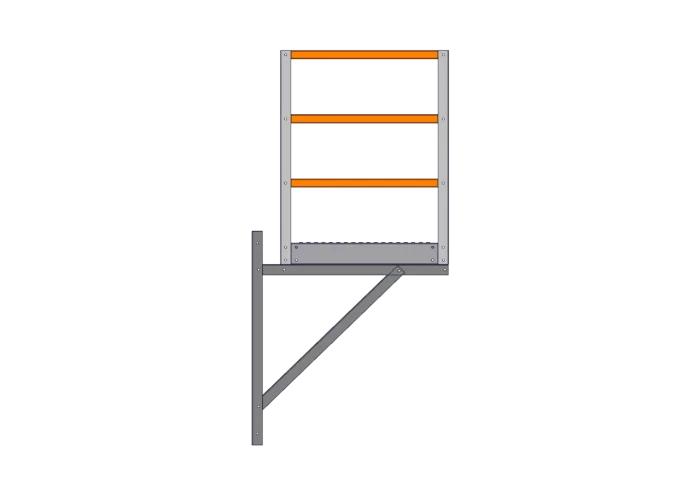
Rest platforms in grain processing and silo systems are an important component to enable employees to rest during long-term operations and increase work efficiency. These platforms are generally placed at different points of the facilities, offering employees a comfortable break and rest area. Rest platforms not only increase employee productivity but also support occupational safety standards.
Worker Welfare and Productivity
Rest platforms are designed to improve the well-being and work efficiency of employees in grain processing plants. By providing rest opportunities during long working hours, it reduces employee fatigue and minimizes the risk of work accidents. These platforms allow employees to recharge and work more effectively. Therefore, recreation platforms increase the overall efficiency of facilities and make business processes more effective.
Security and Access
Rest platforms are positioned at an appropriate height for workers to reach safely. These platforms, usually equipped with easily accessible and safe stairs, can be quickly evacuated in case of emergency. In addition, surrounding the platforms with railings minimizes the risk of employees falling and provides a safe rest environment.
Comfort and Design
The design of rest platforms is carefully done to maximize the comfort of employees. These platforms, which generally offer a large and comfortable area, can be equipped with comfortable seating options such as lounge chairs or benches. Additionally, platforms are often protected by canopies or roofs, thus providing protection from sunlight and weather conditions, providing a more comfortable relaxation experience.
Maintenance and Cleaning
Maintenance and cleaning of rest platforms should be done regularly. Platforms that are kept clean and tidy provide a safer and more enjoyable environment for employees to use. In addition, regular maintenance ensures the long life of the platforms and reduces operating costs.
Functionality and Flexibility
Rest platforms in grain processing facilities can be designed and positioned in various ways according to the needs of the facility and site conditions. These platforms can be flexibly positioned and rearranged as necessary to adapt to different areas of the facilities. This gives facility managers greater flexibility in workforce management and facility organization.