


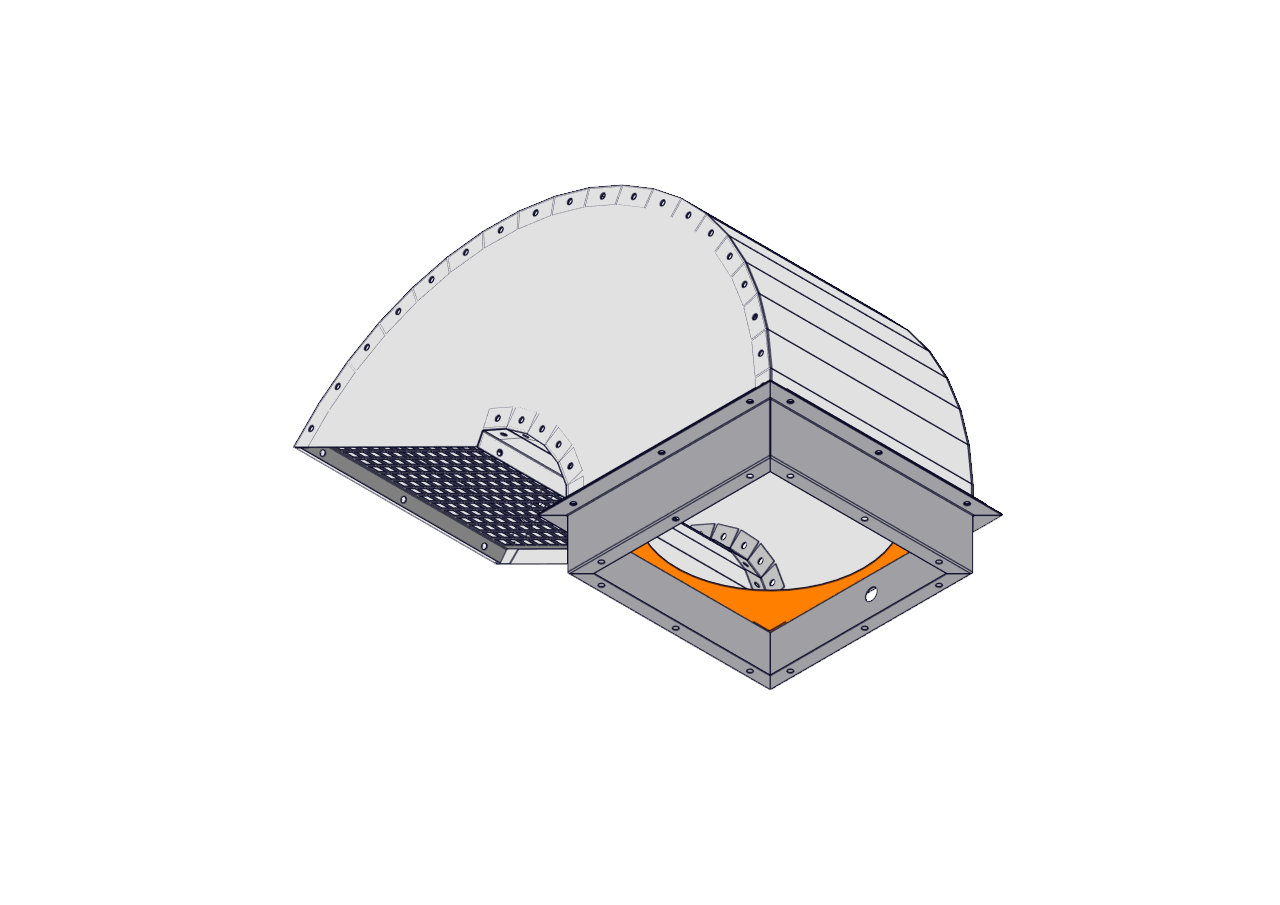
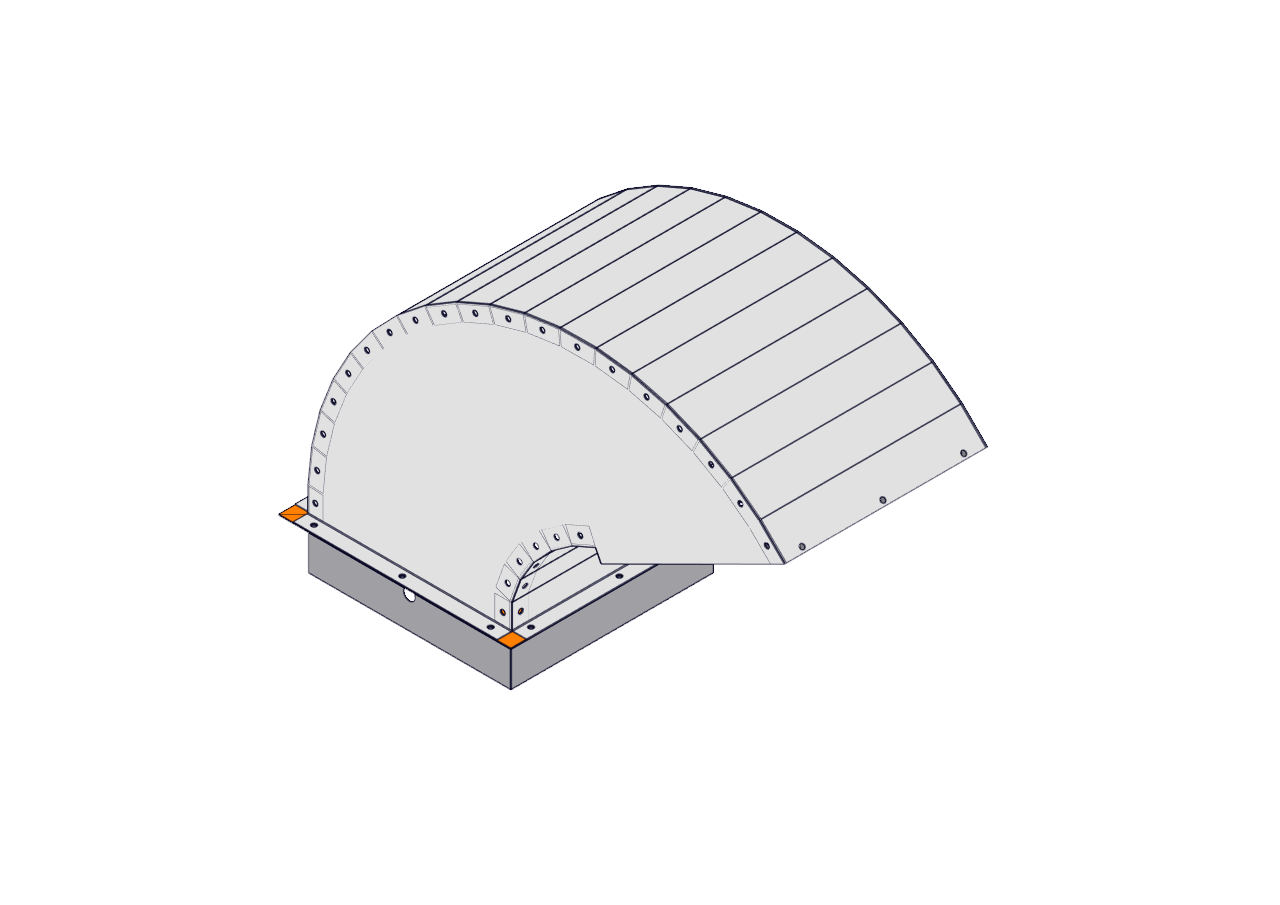
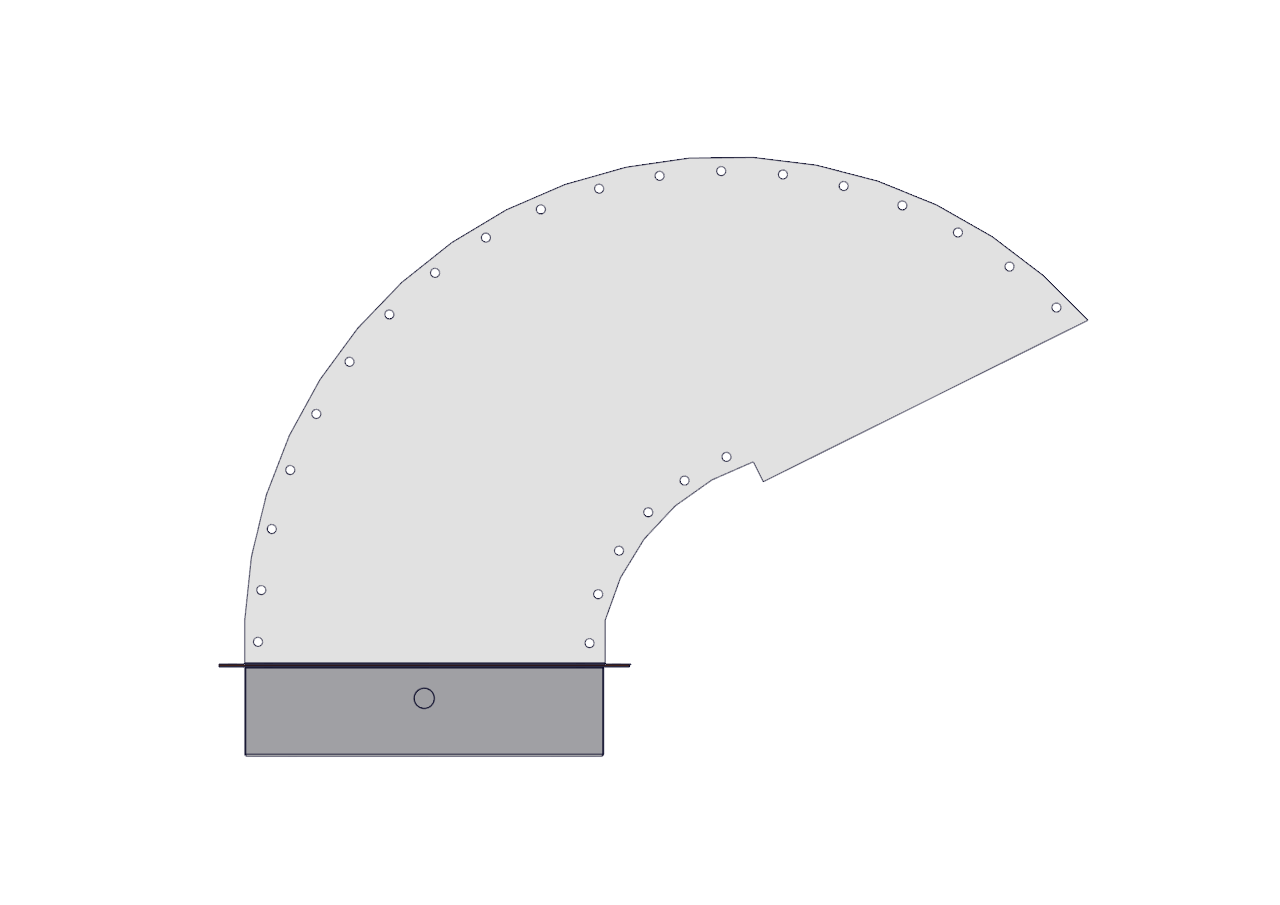
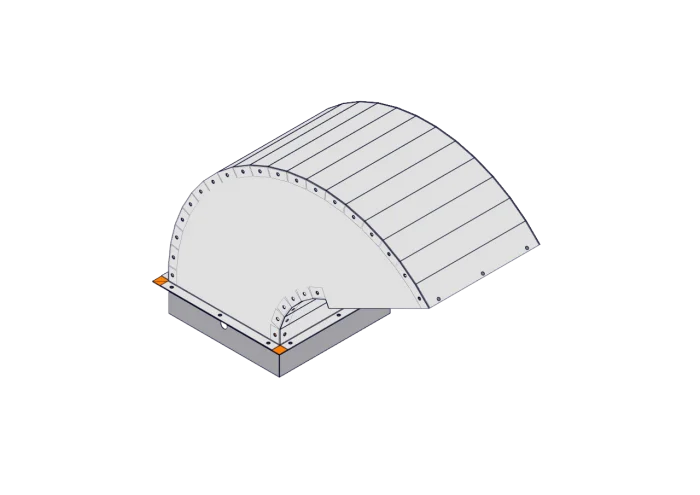
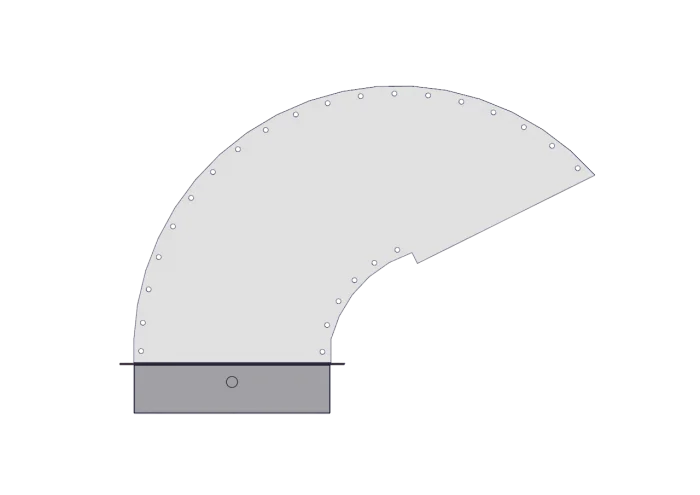
Standard Roof Exhaust Fan
Standard roof exhaust fans used in grain processing and silo systems are critical for ventilation and humidity control. These fans help maintain the correct temperature and humidity levels in storage areas to maintain the quality of grain and prevent problems such as mold and infestation.
Power Consumption: The energy efficiency of fans affects operating costs. Low power consumption fans save energy in the long run.
Durability: Fans are usually made of durable materials such as stainless steel or galvanized steel. This ensures the fans can withstand harsh weather conditions and continuous operation.
Control Systems: Modern fans can be integrated with temperature and humidity sensors. Automatic control systems adjust fan speed by monitoring environmental conditions.
Quiet Operation: Noise levels are important for the comfort of the working environment. Quiet fans are preferred especially in silo systems close to residential areas.
Maintenance: Regular cleaning and maintenance of fans increases their performance and extends their life. Checking the filters and lubricating the engine at regular intervals is part of the maintenance process.
Storage Facilities: Used to ensure air circulation in large storage areas.
Industrial Facilities: It is also used to remove excess heat and moisture generated during industrial processes.
Temperature Management: Keeping the temperature at the appropriate level reduces the risk of insect infestation and preserves the quality of the grain.
Ventilation: Good ventilation increases the comfort of the workers' working environment and ensures occupational safety.
The correct selection and use of roof exhaust fans increases operational efficiency and product quality in grain processing and storage facilities. Therefore, it is important to carefully evaluate the fans' specifications and the needs of the facility.
Features
Air Flow Rate: The air flow rate of standard roof exhaust fans is usually measured in cubic meters per hour (m³/hour). High air flow provides fast and effective ventilation.Power Consumption: The energy efficiency of fans affects operating costs. Low power consumption fans save energy in the long run.
Durability: Fans are usually made of durable materials such as stainless steel or galvanized steel. This ensures the fans can withstand harsh weather conditions and continuous operation.
Control Systems: Modern fans can be integrated with temperature and humidity sensors. Automatic control systems adjust fan speed by monitoring environmental conditions.
Quiet Operation: Noise levels are important for the comfort of the working environment. Quiet fans are preferred especially in silo systems close to residential areas.
Installation and Maintenance
Installation: Correct installation of fans is important for effective ventilation. Fans must be mounted at a suitable point on the roof and air flow must be ensured uninterrupted.Maintenance: Regular cleaning and maintenance of fans increases their performance and extends their life. Checking the filters and lubricating the engine at regular intervals is part of the maintenance process.
Usage areas
Grain Silos: Exhaust fans protect the quality of the grain by removing moisture and heat accumulated in grain silos.Storage Facilities: Used to ensure air circulation in large storage areas.
Industrial Facilities: It is also used to remove excess heat and moisture generated during industrial processes.
Benefits
Humidity Control: Controlling the moisture level prevents grain from molding and spoiling.Temperature Management: Keeping the temperature at the appropriate level reduces the risk of insect infestation and preserves the quality of the grain.
Ventilation: Good ventilation increases the comfort of the workers' working environment and ensures occupational safety.
The correct selection and use of roof exhaust fans increases operational efficiency and product quality in grain processing and storage facilities. Therefore, it is important to carefully evaluate the fans' specifications and the needs of the facility.